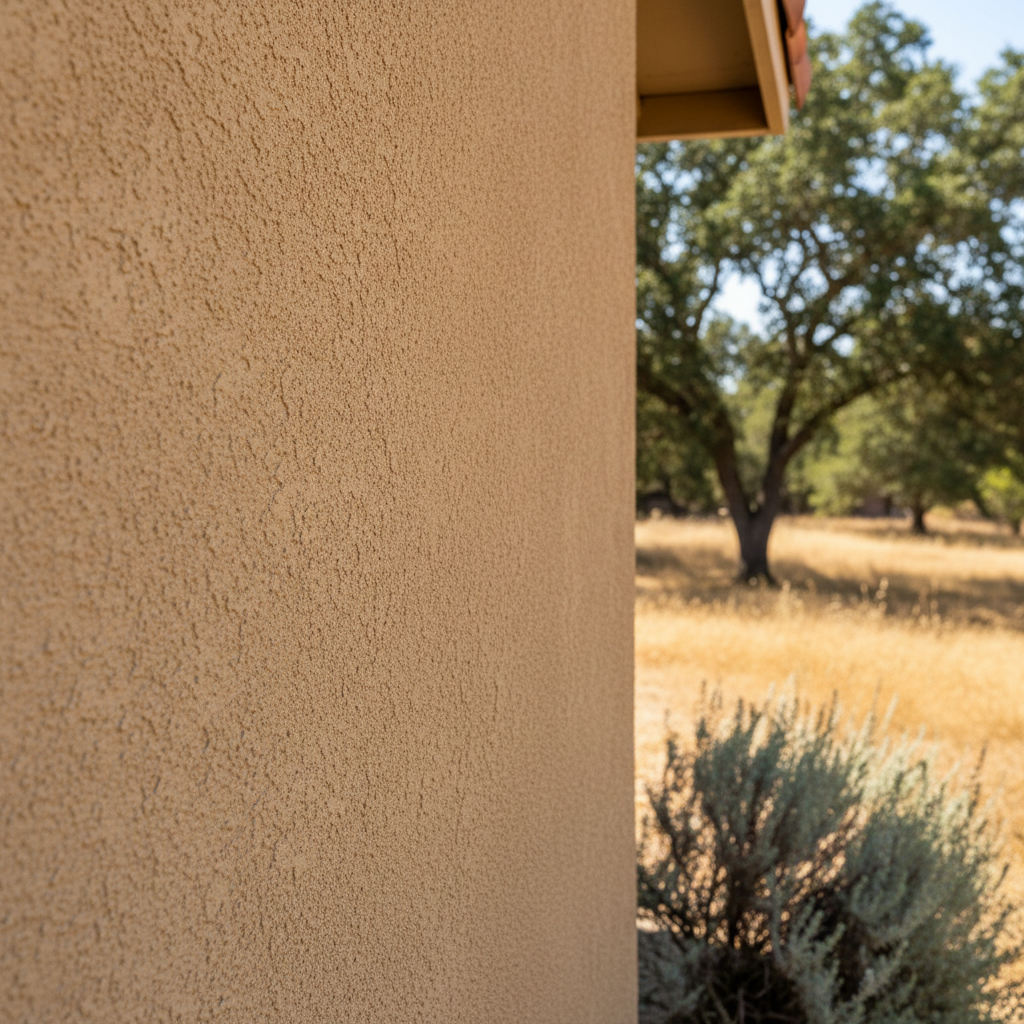
Alright, let's talk redashing. I get a lot of calls from folks in Chico, especially after a few tough seasons, wondering if it's time to give their stucco a fresh face. It's a big decision, and you've probably got questions. Good. You *should* have questions. I'm here to give you straight answers, no fluff, just what I've learned over years working on homes right here in our community.
What exactly is stucco redashing, and why would I need it?
Simply put, redashing means putting a new finish coat of stucco right over your existing, sound stucco. Think of it like a fresh layer of paint on a wall, but this is way more substantial. We're talking about a cement-based product, carefully troweled on. You'd need it for a few main reasons: maybe your stucco just looks tired, faded, or chalky. Or maybe it's got a bunch of hairline cracks that are just an eyesore. Perhaps you just want a completely new color or texture without tearing everything off. It's a great way to revitalize your home's exterior, boost curb appeal, and add a layer of protection, all without the full expense and mess of a complete tear-off.
Can I just paint over my old stucco instead of redashing?
You *can*, but it's not always the best long-term solution, especially if you're looking for durability and a fresh texture. Painting stucco is cheaper upfront, sure, but paint doesn't add structural integrity or fill cracks like a new stucco dash coat will. Plus, paint can trap moisture if the stucco underneath isn't breathing right, which can lead to bigger problems down the road. If your stucco is in pretty good shape, just a bit dingy, painting might be fine. But if you've got a lot of minor cracking, fading, or you want to change the texture, redashing is definitely the way to go. It's a more robust, longer-lasting fix that really brings the material back to life, not just covers it up.
How long does a redashing project typically take?
That really depends on the size of your house and how complex the job is. A smaller, straightforward home in, say, the Avenues might only take a few days once we're on site and prepped. A larger, more intricate home – one with lots of architectural details or tricky access – could easily take a week or more. We've got to factor in prep work: cleaning, minor repairs, masking. Then there's the actual application, and crucially, drying time. We can't rush the drying process, especially with Chico's summer heat or the dampness we sometimes get in the fall. We want to make sure each coat cures properly before the next step. I'll always give you a clear timeline upfront when we do an estimate.
Will redashing fix all the cracks in my old stucco?
It'll fix most of the *hairline* and minor surface cracks, absolutely. That's one of the big benefits. The new dash coat fills those in, giving you a smooth, fresh surface. However, if you've got bigger, structural cracks – the ones wider than a credit card, or that run through the whole wall and keep coming back – redashing won't solve those underlying issues. Those usually point to foundation problems, framing movement, or serious water intrusion. For those, we'd need to investigate the root cause and address it first. Redashing is a cosmetic and protective layer; it's not a structural repair for major issues. We'll always assess your walls thoroughly before we start to make sure redashing is the right solution for your specific crack situation.
What kind of maintenance does new redashed stucco need?
Honestly, it's pretty low maintenance, which is one of the reasons folks love stucco. You'll want to keep it clean, just like any exterior. A gentle wash with a garden hose and a soft brush can get rid of dust, cobwebs, and general grime. For tougher spots, a mild detergent and water usually do the trick. Avoid high-pressure washers too close to the surface; they can damage the finish. Also, keep an eye on your gutters and downspouts to make sure water isn't constantly running down your walls in one spot, which can lead to staining or premature wear. And trim back any plants or bushes that are rubbing against the stucco, as that can cause abrasion and moisture issues over time. If you notice any new cracks or damage, it's always best to get it looked at sooner rather than later to prevent bigger problems. That's it, really. Just common sense home care.
How do I choose the right color and texture for my redash?
This is where the fun comes in, and it's a big decision because it changes the whole look of your home. For color, I always recommend looking at samples in different lights – morning, midday, evening. What looks great in the shade might be too bright in direct sun. Think about your roof color, your trim, and even your landscaping. For textures, you've got options: smooth, sand finish, dash finish, worm finish... each gives a distinct look. A smooth finish is very modern, but it shows imperfections more. A sand or dash finish is more traditional and forgiving. We can show you samples and even do a small test patch on an inconspicuous area of your house so you can see it in real life before we commit to the whole job. Don't rush this part; it's what you'll be looking at every day! We've helped plenty of folks in Chico, from the older homes in Chapmantown to the newer builds out by California Park, pick just the right look.
Hopefully, this clears up some of those burning questions you've got about redashing. It's a solid investment in your home, and done right, it'll look fantastic and protect your place for years to come. If you're still wondering if redashing is right for your Chico home, or you're ready to get a quote, don't hesitate to give Chico Stucco & Plastering a call. We're always happy to chat.